
Little Learners Love Literacy for parents, carers and families
This page brings together resources, learning opportunities and practical guidance to help you understand structured literacy, support reading practice at home and feel confident helping your child become a successful reader.
Read our Welcome for Families
Alongside regular reading practice with our Little Learners fiction and nonfiction decodable books, which are carefully aligned to your child's classroom learning, there are many simple and enjoyable ways you can support your child to become a fluent, confident reader at home. Explore the resources below to discover practical ways you can make the most of reading together.
Tips for reading at home together
Starting your child on the road to reading is very exciting! Reading at home is vital for the development of children’s literacy skills, especially vocabulary and comprehension. By making reading part of your daily routine, you can help your child build a strong foundation for academic success and a lifelong love of reading. Don't put too much pressure on home reading and learning - play, talk, practise!
How can you help your child at home?
Read many varied books to your child – from home, your local library or child’s school library – and talk about what you have read. Choosing a quiet time, such as bedtime, can help build an easy and fun reading routine.
Reading decodable books at home
Decodable books will build a strong foundation for your child’s future reading success. They are phonically controlled, so children are always able to read unknown words by sounding out and blending those sounds together to say the word. Children experience success and build confidence whilst developing habits of strong readers.
Top tips:
- Before reading, ask your child to warm up by saying sounds used in the book and by decoding some single words used in the book.
- Whilst reading, encourage your child to sound out to read unknown words when they get stuck, and then re-read the sentence for fluency. Remind your child to pause when they come across full stops and other punctuation.
- Make sure your child tracks their finger underneath the words as they read them.
- When your child finishes reading the book, discuss the content and any new words you came across. Every Little Learners Love Literacy decodable book includes a ‘How to enjoy this book’ section at the back that includes warm-up activities and questions to talk about.

Repeated reading and fluency
Fluency is the ability to read accurately, at a conversational rate and with expression – it is an important aspect of reading comprehension. Listening to a child read a decodable book for the first time can be slow, as children work hard to sound out the words accurately. But when your child reads the same decodable book multiple times, they become more automatic and can concentrate on the meaning. Encourage your child to read the same decodable book multiple times and celebrate their progress as they become more confident and fluent readers.
Being able to hear, say and play with sounds is crucial to reading and spelling development in Foundation and Year 1, as well as pre-school.
Play sound games such as I Spy using letter sounds instead of letter names – be careful to use the ‘pure’ sound e.g. ‘mmmm’ for a word starting with ‘m’, not ‘muh’ or ‘em’. If your child’s school uses Little Learners Love Literacy®, look out for Milo’s letters which include ideas for talk and play at home.
Parents can play with sounds with activities such as:
- Which of these snacks begins with /a/ - orange or apple? Which colour begins with /p/ - pink or blue?
- Asking their child to touch their t-oe-s, to h-o-p or to d-a-n-ce.
- The Milo parent letters provide lots of ideas for talking and practicing phonemic awareness skills at home - your school should be sending these home during Terms 1 and 2.
- Parents and children can also sing along to Milo's Music in the kitchen or in the car (or wherever!) to practice the Stages 1-4 sounds of the alphabet. Listen on Spotify here.
- Playing Milo's Alphabet Games
Reading other books at home
Reading books to your child at home is an important part of their reading and writing development. We use the term ‘library books’ as a general term for texts above your child’s reading capabilities and at your child’s interest level. These could include, for example, picture books, chapter books, comics, nonfiction books and articles.
Top tips:
- Encourage your child to ask questions about the book and the new words they encounter. This helps them expand their vocabulary and develop their understanding.
- If your child comes across a word they do not know, explain it to them and use it in a sentence to help them understand its meaning.
- Talk to your child about the pictures in the book and ask them what they notice.
- With fiction books, encourage your child to make predictions about what might happen next in the story. This helps them develop their critical thinking skills and stay engaged.
- Make connections to your child’s life and their current knowledge. This helps your child make connections between the book and their knowledge of the world around them.
Don’t be tempted to ask your child to read these books to you – whilst they are learning the basics of word reading, we don’t want to ask them to read anything they haven’t been taught how to read yet.
Incorporating ‘read to’ sessions into your weekly home reading routines will support your child’s language and literacy development.
Example questions you might ask:
What do you think might happen next? Why?
What/Who can you see in the pictures? What’s the name of <point to picture>
That's an interesting word, can you think of a similar word? And can you use it in your own sentence?
What’s happened so far?
Have/Would you ever <….>?
Did you enjoy this book? How do you know?
Which was your favourite part of the story? Why - what happened?
Children need lots of practice opportunities to master the phonics knowledge and skills they are being taught (perhaps even more than you think). Completing activities sent home in book bags and playing some LLLL games at home can give children valuable practice opportunities.
NEW! Self-paced learning:
Understanding Structured Literacy - For Families
Understand how children learn to read and how to support them at home. This series of self-paced modules explains the research behind reading instruction while also providing practical guidance to help parents and caregivers confidently support their child’s reading development.
Modules can be completed anytime and revisited as needed, allowing families to engage in learning at their own pace.
The modules include:
✔ The Science of Reading, Writing and Learning
✔ Systematic Synthetic Phonics and Morphology
✔ Explicit and Adaptive Teaching
✔ Supporting Reading at Home
These modules are designed for parents and caregivers who want to better understand how children learn to read and how to support this at home.

Frequently Asked Questions for Parents & Carers (FAQs)
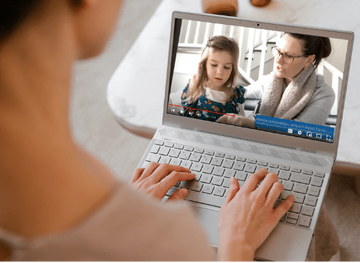
Register for a free webinar ...
Not sure where to start? Try watching a recording of one of our free webinars: 'An Introduction to Little Learners Love LIteracy'.
Our free webinar schedule includes a range of webinars on various topics for teachers, school leaders, private practitioners and parents. Each 40-minute webinar includes an opportunity to ask questions and discuss the topic. Topics include an introduction to decodable books, spelling, fluency and phonemic awareness.
Register for free webinars
Listen to a podcast ...
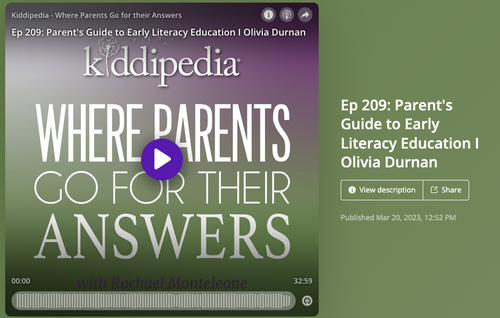
Listen to this short podcast from Kiddpedia for a short guide to early literacy education. In this podcast Kiddipedia interview Olivia Durnan, Little Learners Love Literacy's Teacher Consultant and Coach, asking her all the questions you want answered as your child starts school.
You can also read a blog on the topic here.
Video explainers
The Little Learners Love Literacy YouTube Channel is a great resource for parents - from 'how to' videos to examples of home reading in action the channel is always growing so be sure to follow it. We've selected a few key videos below to get you started.
More resources
Getting started
The information available about early reading and writing learning is vast! Here are a couple of articles you might like to read for background information.
'How to' articles
If you have some resources at home - either shared by the school, borrowed from the library or purchased yourself - you might find some of these 'how to' articles of interest too:
Shop and free resources
Explore Little Learners Love Literacy’s parent resources, including discounted parent packs, engaging activities and home learning tools that support children to build reading, writing and spelling confidence.
Visit the 'Learn and play at home' shopFree downloadsBook checklist