
What is phonemic awareness?
Phonemic awareness is the ability to hear and manipulate individual sounds, called phonemes, in spoken words. This is a skill that must be in place for Foundation students before phonics instruction can succeed.
Phonemic awareness is critical for successful reading and spelling. It involves segmenting (breaking words into sounds) and blending (blending sounds together to make words). It also includes the more advanced skills of deleting, adding or substituting phonemes to make new words.
Phonemic awareness is purely oral. Little Learners Loves Literacy® builds phonemic awareness through explicit, sequenced classroom activities that prepare students for mapping sounds to letters.
How does phonemic awareness differ from phonological awareness?
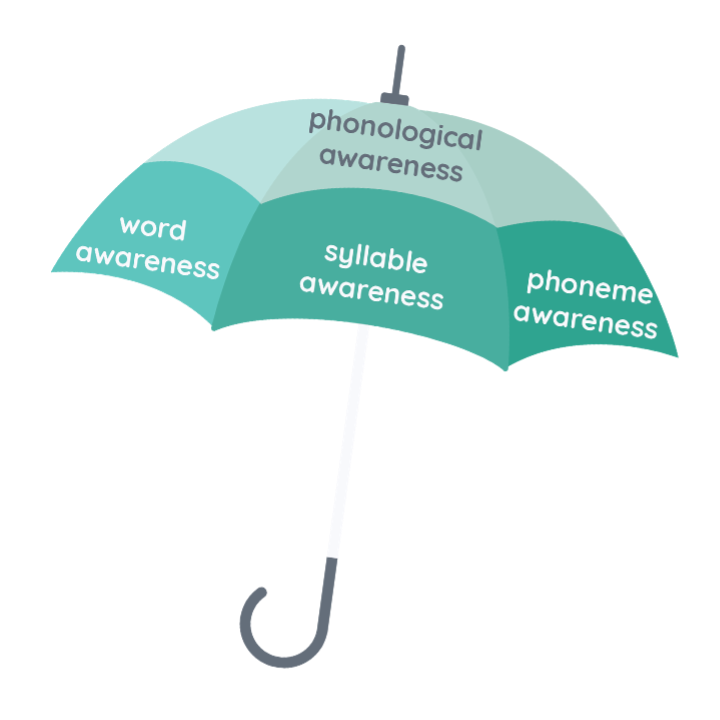
Phonemic awareness fits under the umbrella of phonological awareness, which is the broader ability to identify the sounds of spoken English.
Phonological awareness is the broad, oral ability to recognise, think about and manipulate the sound structures of spoken language, such as words, syllables and individual phonemes, without using written text.
Which Little Learners Love Literacy® resources support the development of phonemic awareness?
Every aspect of Little Learners Love Literacy® has a phonemic component.
Ally the alligator
The puppet, Ally the alligator, can only speak in sounds so she provides a great opportunity for Foundation children to develop and practise their phonemic awareness skills. We call this 'Ally talk'.
Ally asks children to /r/ /u/ /n/ (segmenting the sounds for 'run'). Children say the word and start 'running'.
Ally asks them to touch something /r/ /e/ /d/. Children blend the sounds together to say 'red'. They touch something red.
Children LOVE the Ally puppet and readily do the Ally talk themselves in class.


The Sound Box
The Sound Box, at the beginning of every Foundation session, introduces children to identifying and segmenting initial sounds.
Each sound is then linked to a grapheme, connecting speech to print.
Phonological and phonemic fun activities for classroom circle time are part of the program from the very beginning and continue into Year 1.
How does phonemic awareness differ from phonics?
Phonemic awareness is the ability to hear, identify and manipulate individual phonemes in spoken language. It is auditory and oral, and does not involve written letters.
Phonics is the method of teaching how written letters (graphemes) connect to spoken sounds (phonemes), so children can learn to read and spell.

English is a complex alphabetic code with 44 sounds, 26 letters and hundreds of graphemes. Little Learners Love Literacy® teaches the alphabetic code in stages, starting with a simple one-to-one match of sounds and letters before moving onto to the more complex code.
The sound /k/ can be represented by these graphemes:
c as in cat (Stage 1)
k as in kit (Stage 4)
ck as in pick (Stage 5)
ch as in school (Stage 7.4)
And many more, less common options, such as qu as in mosquito.


Which Little Learners Love Literacy® resources support phonemic awareness and phonics?
Many Little Learners Love Literacy resources combine phonemic awareness and phonics development, including activities such as Sound Swap Word Game and Super Spelling.
These games are efficient and effective additions to the pure phonemic awareness work built into the program.

